Eliminate Bed Bugs for Good: How Heat Treatment Works and Why It's Effective
Bed bugs have become a persistent problem for many households. Traditional methods often involve harmful chemicals that raise safety concerns. Thermal treatment provides a practical solution. By utilizing high temperatures, this method effectively targets all life stages of bed bugs. Exploring the science behind this process uncovers its strengths. Which particular mechanisms contribute to the success of heat treatment? The insights might reshape how individuals approach pest elimination.
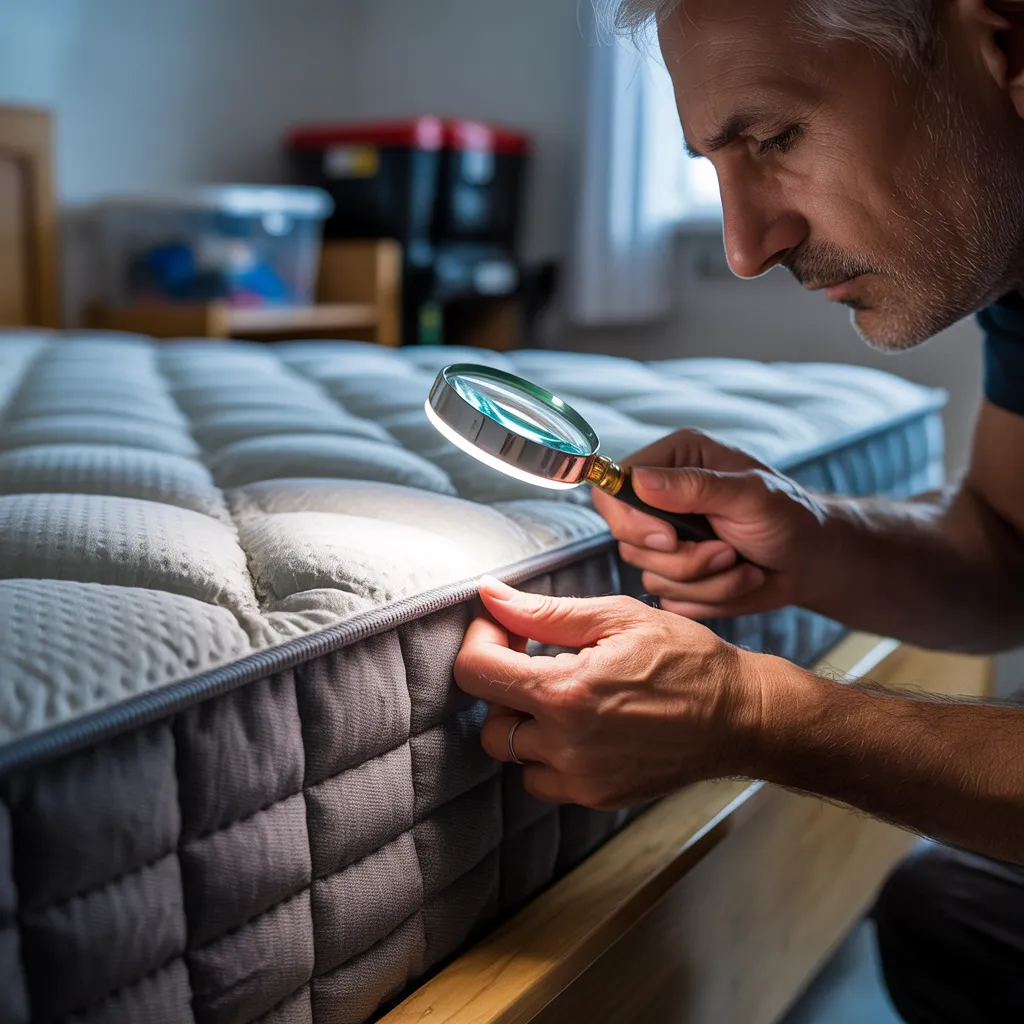
Fighting a Bed Bug Problem? Discover Heat Treatment as Your Solution
How can homeowners effectively combat the persistent problem of bed bugs? A growing number of homeowners are choosing heat treatment as a trusted solution. This technique works by raising the temperature of contaminated rooms to levels lethal for bed bugs, targeting all life stages, from eggs to adults. As opposed to standard insecticides, which may leave behind residues and require multiple applications, heat treatment offers a more straightforward approach.
Skilled pest control professionals regularly use specialized equipment to ensure even heat distribution throughout the infested space. Residents value that this approach is free of harmful substances, making it safer for both people and animals. Additionally, thermal remediation often results in a more rapid solution, allowing residents to return to their normal routines sooner.
Even though heat treatment may represent an significant investment, its comprehensive nature and proven effectiveness position it as a preferred option for individuals facing recurring bed bug infestations, providing a reliable path to restoring their living spaces.
The Role of Temperature in Bed Bug Mortality and the Science Behind It
Understanding the connection between temperature and bed bug mortality is critical to comprehending the effectiveness of heat treatment. Bed bugs, formally classified as Cimex lectularius, are susceptible to temperature extremes. Studies show that exposure to temperatures above 118°F (48°C) for a continuous stretch of time can successfully eliminate bed bugs in every stage of development, including eggs. On the other hand, temperatures below 50°F (10°C) can extend their lifespan, causing them to fall into a dormant state.
The deadly impact of heat on bed bugs stems from its influence over their bodily functions. Elevated heat levels interfere with cellular functions and cause dehydration, finally causing mortality. Additionally, heat treatment penetrates various materials, guaranteeing that concealed infestations are eliminated. The success of this technique is rooted in its capacity to maintain uniform temperatures throughout infested spaces, removing the bugs without employing chemical solutions, establishing it as a top selection for numerous pest control specialists.
The Reason Heat Treatment Eliminates Bed Bugs
Heat treatment is a remarkably efficient solution for eliminating bed bugs owing to its capability to attain temperatures fatal to all developmental stages of these pests. As opposed to chemical methods, which bed bugs can become resistant to, heat infiltrates surfaces and removes infestations entirely. This method interrupts the bed bug life cycle, making certain that both mature bed bugs and their eggs are successfully eliminated.
Superior High Temperature Performance
Multiple research studies have shown that extreme heat efficiently destroy bed bugs at all life stages, including all forms from eggs to adults. When exposed to temperatures exceeding 120°F (49°C), bed bugs are subjected to lethal physiological strain. The heat permeates different materials and accesses concealed areas, guaranteeing comprehensive treatment. As opposed to chemical solutions, which risk leaving residues or losing effectiveness through resistance, heat treatment provides a complete solution without the need for hazardous substances. Additionally, the process is rapid, often requiring only a few hours to achieve effective results. This level of efficiency has established heat treatment as a top choice for residential and commercial applications, as it not only addresses present infestations but also decreases the potential for future bed bug outbreaks.
Life Cycle of Bed Bugs
The effectiveness of heat-based treatment against bed bugs is directly connected to their life cycle. Bed bugs undergo several stages: egg, nymph, and adult. Eggs are particularly vulnerable, as they are unable to tolerate high temperatures. Once hatched, nymphs and adults are also vulnerable; however, they can endure lower temperatures for short durations. Heat treatment increases the temperature to levels lethal to all life stages, disrupting their life cycle. At 118°F (48°C), bed bugs commence dying within 90 minutes, while temperatures above 122°F (50°C) can kill them within minutes. This comprehensive approach guarantees that not only adult bed bugs are eliminated, but also their eggs and nymphs, making heat treatment a proven method for total elimination.
Chemical Resistance Limitations
A growing number of pest control specialists are increasingly aware of the rising chemical resistance of bed bugs. Conventional insecticides, once reliable, are progressively failing due to adaptive mechanisms in bed bug populations. These bugs can acquire resistance through genetic mutations, making it hard for chemical treatments to completely remove infestations completely. As a result, relying solely on chemicals can lead to prolonged infestations and increased costs for homeowners. In contrast, heat treatment avoids this issue by targeting bed bugs with high temperatures that they cannot withstand. At temperatures above 120°F, bed bugs, including all life stages, are swiftly eliminated within minutes. This method not only ensures comprehensive extermination but also eliminates the risk of resistance, making heat treatment an effective solution for bed bug infestations.
Benefits of Choosing Heat Treatment Over Chemical Solutions
Although heat treatment and chemical solutions both seek to eliminate bed bugs, heat treatment presents clear benefits that position it as the top choice for numerous individuals. A key advantage is its capacity to eradicate every life stage of bed bugs, including eggs, within one treatment. This comprehensive elimination lowers the chances of reinfestation, a frequent problem with chemical treatments that may fail to penetrate all harborage areas.
Furthermore, heat treatment proves to be eco-friendly, as it avoids the use of hazardous chemical substances that can pose health risks to adults, children, and pets. It also does away with the need for extensive pre-treatment steps, such as removing bedding or personal items, which makes the overall process far more convenient.
In addition, heat treatment commonly achieves faster treatment outcomes, helping affected individuals to get back to their regular schedules sooner. Overall, the effectiveness and safety of heat treatment make it a powerful option over conventional chemical treatments in the battle against bed bugs.
Heat Treatment Expectations Explained
In the course of bed bug heat treatment, individuals can expect a thorough process that encompasses heating up the affected area. The treatment usually requires a few hours, ensuring deep permeation to eliminate bed bugs at each phase of their lifecycle. Following the treatment, notable improvements in the surrounding area, such as increased cleanliness and fewer insect sightings, will be evident.
What To Anticipate During
Bed bug heat treatment requires a comprehensive and methodical approach designed to eliminate infestations effectively. Throughout this process, the infested space will be enclosed to contain heat, ensuring that heat levels become fatal to bed bugs across every stage of development. Homeowners can expect the removal of personal items from the treatment area, in addition to the application of specialized tools such as industrial heaters and thermal monitoring devices. Certified specialists will diligently observe heat levels, guaranteeing consistent temperature spread throughout the treated space. Occupants must leave the property for a designated period of time to prevent exposure to extreme temperatures. Once the treatment concludes, a follow-up evaluation may be suggested to confirm the treatment's efficacy and guarantee that no bed bugs are still present.
Treatment Duration Overview
How long can one expect the heat treatment for bed bugs to last? Typically, the treatment process may last between six and eight hours, based on the extent of the affected area and the degree of the infestation. During this time, the targeted temperature of 120°F to 140°F is maintained to guarantee effective elimination of bed bugs in all life stages. Property owners should expect the full space to reach elevated temperatures, potentially requiring the removal of heat-sensitive items in advance. Following the treatment, a cooldown phase will occur, giving the space time to return to a comfortable temperature. It is essential for occupants to vacate the premises as instructed to achieve ideal results and safety throughout the process.
Environmental Changes After Treatment
While the heat treatment is underway, notable environmental changes are likely to occur. The temperature inside the treated area will gradually increase, typically climbing to ranges between 120°F and 140°F. This elevated temperature successfully eliminates bed bugs across all life stages, but it may also necessitate adjustments for the occupants. Personal items, such as electronics and sensitive materials, should be removed or protected to prevent damage. Additionally, some furniture may need to be moved to guarantee even heat distribution. This procedure may result in an unpleasant environment, necessitating a temporary move for occupants. Following treatment, a thorough inspection and cleaning are essential to verify that any remaining pests are eliminated, reinforcing the effectiveness of the heat treatment.
Important Steps to Prepare for Heat Treatment
Preparing for bed bug heat treatment necessitates careful planning to guarantee effectiveness and safety. Homeowners should begin by removing items from the treatment area, including linens, clothing, and personal belongings, to protect items and guarantee complete heat penetration. It is vital to clean and dry these items on maximum heat to eliminate any hidden bed bugs.
Additionally, furniture needs to be shifted away from walls to allow heat to circulate freely. Furthermore, delicate electronics, plants, and perishable items should be transferred to prevent exposure to elevated temperatures. Pets need to be brought to a secure environment throughout the treatment, as they can be adversely affected.
Finally, staying in contact with the pest control specialist is crucial for grasping the customized guidelines specific to your circumstances. Following these steps will optimize the overall success of the heat treatment procedure, ensuring your home remains completely free of bed bugs.
Frequently Asked Questions
How Long Does It Take for Heat Treatment to Remove Bed Bugs?
Heat treatment typically takes six to eight hours to effectively eliminate bed bugs. This method requires maintaining specific temperatures for an extended period, making certain that all life stages of the insects are destroyed.
Are There Any Risks to My Belongings During Treatment?
During heat treatment, belongings face a minimal level of risk. However, belongings that are sensitive to elevated temperatures, such as electronics or certain fabrics, are at risk of being damaged. Taking the right precautions can effectively reduce these risks.
Can Pets Remain in the Home During Heat Treatment?
Pets ought not to stay in the home during thermal treatment. The extreme temperatures could pose risks to them, so it is best for those with pets to make arrangements for their pets to be housed elsewhere during the treatment.
Can Heat Treatment Eliminate All Life Stages of Bed Bugs?
Indeed, thermal treatment thoroughly combats bed bugs at every stage of development, including adults, nymphs, and eggs. The intense heat reach various hiding spots, ensuring thorough extermination and reducing the risk of future infestations.
How Frequently Should I Plan Heat Treatments for Prevention?
Arranging heat treatments every six to twelve months is advised for proactive protection. additional article This treatment interval helps to address any potential infestations before they escalate, guaranteeing a forward-thinking approach to sustaining a pest-free environment in residential properties.
Comments on “Bed Bug Exterminator for Bedrooms with Heat Treatment”